What Meeting Sandra Cisneros Reminded Us About Authenticity
Don't Shrink to Fit Someone Else's Mold
There are certain people whose work becomes part of your story long before you ever imagine you might meet them.
For FounderFuego® CEO Amber Tarrac, Sandra Cisneros was one of those people.
Amber grew up reading The House on Mango Street, a book that brought a young Latina's experiences, family, neighborhood, culture, and questions about belonging onto pages that generations of readers would eventually recognize themselves in.
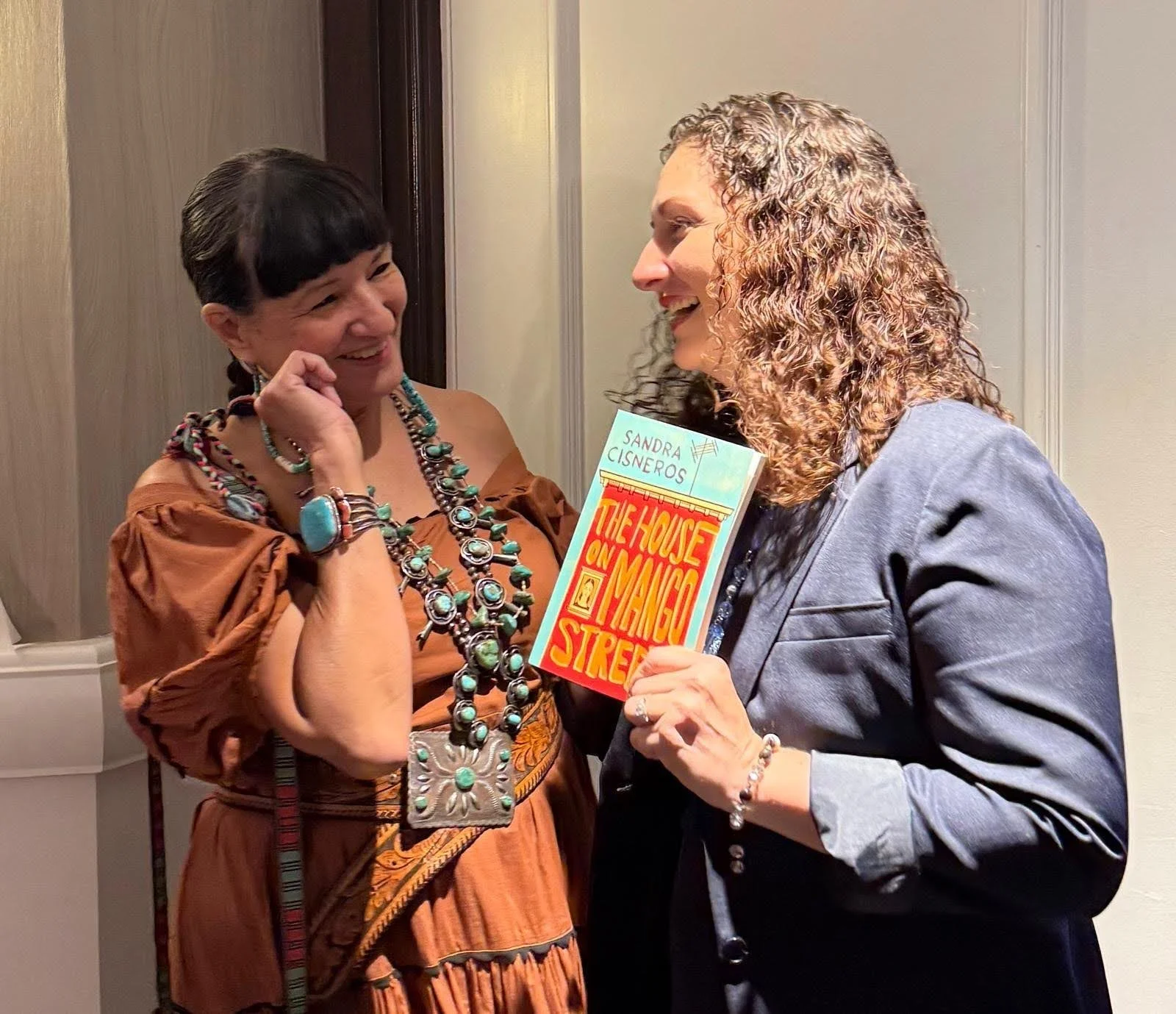
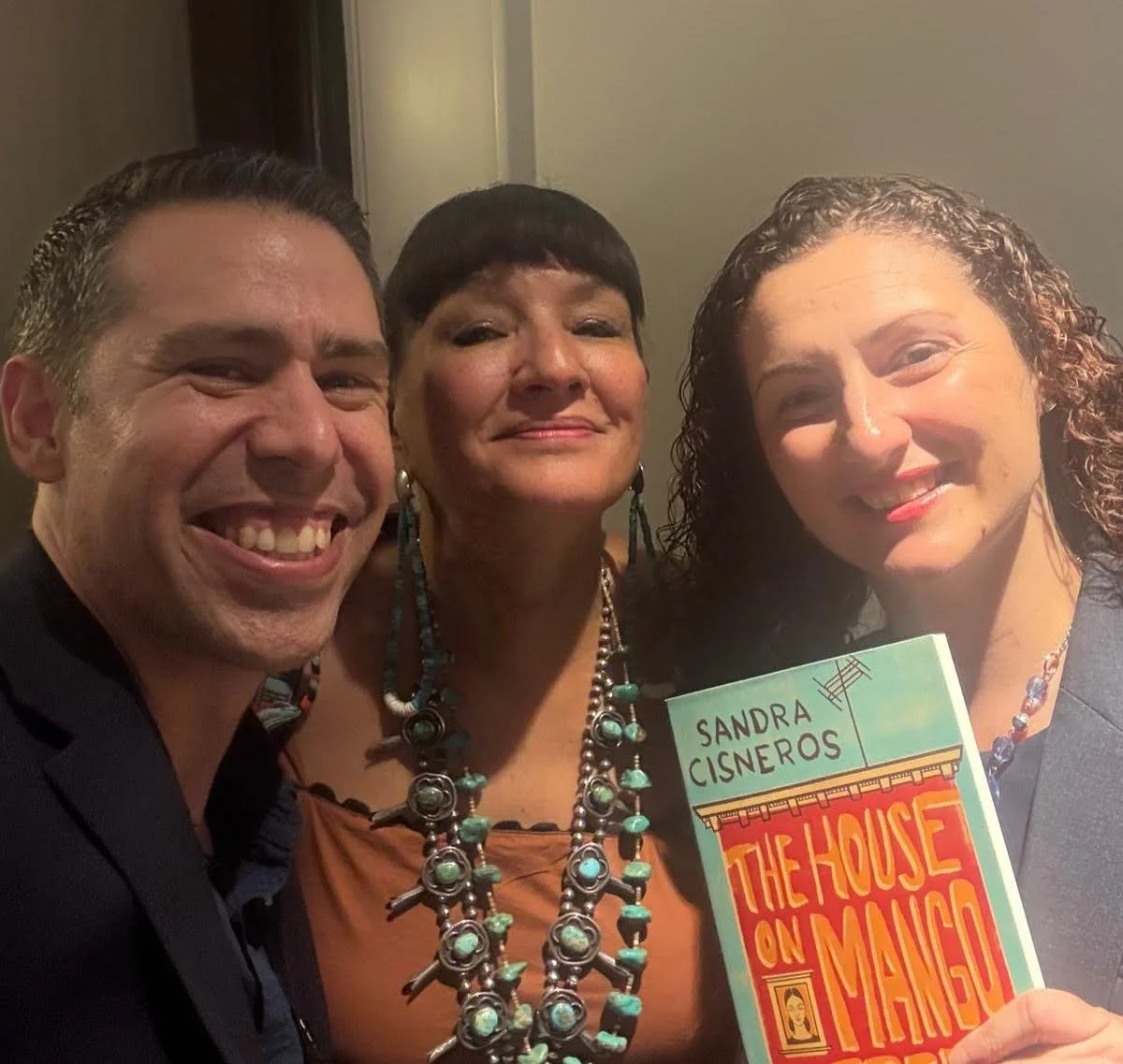
Then, decades later, Amber walked into Avance Global and had the opportunity to meet Sandra herself.
It was one of those full-circle moments that makes you stop and think about how far your own story has traveled. But it also reinforced a lesson that applies to so many founders we work with: you don't have to shrink yourself to fit someone else's idea of what success is supposed to look like.
In fact, some of the things you've been tempted to edit out may be exactly what make your perspective valuable.
When being different becomes the advantage
Sandra Cisneros was born in Chicago in 1954 and grew up as the only daughter in a family of seven children. She later earned her bachelor's degree in English from Loyola University Chicago and an MFA in creative writing from the University of Iowa.
It was during graduate school that she began recognizing just how different her experiences were from many of the writers and classmates around her.
Cisneros has spoken about encountering stories filled with homes, experiences, and perspectives that didn't resemble the world she knew. At first, that difference could feel like evidence that she didn't belong. Eventually, she began looking at it differently.
If nobody else was writing from her particular experience, then maybe that was exactly the story she needed to tell.
That realization helped shape The House on Mango Street, published in 1984. Through Esperanza Cordero, Cisneros wrote about family, identity, poverty, gender, belonging, dreams, and growing up Latina in Chicago in a voice that didn't try to imitate what was already on the bookshelf.
And that's where we see a direct connection to entrepreneurship.
Founders spend a lot of time looking at what everyone else is doing. We study competitors, follow industry leaders, analyze successful brands, listen to podcasts, save LinkedIn posts, and inevitably start absorbing ideas about what a “real” business is supposed to look and sound like.
Some of that is useful. You should absolutely learn from people who have built before you.
The problem starts when learning turns into copying and growth starts requiring you to edit yourself.
Professional doesn't have to mean generic
We've seen founders walk into bigger rooms and suddenly change the way they talk about their businesses.
The personality disappears from the pitch. The cultural references come out of the presentation. The language becomes more corporate. The story that made someone care about the business in the first place gets replaced by whatever they think investors, corporate partners, funders, or executives want to hear.
And sí, sometimes your communication needs to change for the audience in front of you. That's strategy.
But there's a difference between adapting your communication and erasing your perspective.
Cisneros didn't build her career by trying to write exactly like the people around her. She found the experiences, rhythms, language, and perspective that belonged to her and developed a literary voice around them.
There's a business lesson there.
Your lived experience gives you information.
Maybe you understand a customer because you've been that customer. Maybe you recognize a cultural nuance a competitor completely misses. Maybe you've experienced the problem your company solves firsthand. Maybe you communicate naturally with a community that other organizations are desperately trying to “reach.”
Those aren't things you need to overcome before your business becomes legitimate. They can become part of your competitive advantage when you understand how to use them.
Meeting Sandra at Avance Global
That's part of what made meeting Sandra Cisneros at Avance Global so meaningful for Amber.
She wasn't discovering The House on Mango Street as an adult or reading Sandra's biography before a conference. This was someone whose work Amber had encountered growing up, long before FounderFuego existed.
Now Amber was meeting her as the CEO of a company she had built around many of the same ideas that make this conversation so personal for us: cultura, economic opportunity, entrepreneurship, representation, and creating spaces where founders don't have to leave pieces of themselves at the door.
There's something powerful about realizing that the kid who once read someone's book can eventually grow into the person standing in the same room with its author.
Those moments also remind us why we keep talking about getting in the room.
You don't know who you're going to meet. You don't know which conversation is going to stay with you. You don't know which relationship will develop into something meaningful later. And sometimes nothing transactional happens at all—you simply leave seeing your own possibilities differently.
That's valuable too.
Authenticity doesn't mean refusing to change
We also want to be careful with the phrase “be yourself,” because founders can take that advice in an unhelpful direction.
Being authentic doesn't mean your business doesn't need to evolve.
You should get better at communicating your value. You should strengthen your leadership. You should listen when customers give you useful feedback. You should professionalize your operations, build better systems, improve your offers, and change strategies that aren't working.
The goal isn't to stay exactly as you are.
The goal is to grow without assuming growth requires becoming somebody else.
That's a very different thing.
You can become a stronger CEO without copying another CEO's personality. You can build a sophisticated company without stripping the cultura out of your brand. You can enter corporate rooms without pretending your lived experience isn't part of the expertise that got you there.
And you can absolutely speak Spanglish and know your numbers, mi gente. The two are not mutually exclusive.
What are you editing out?
That's the question we came home thinking about.
Where have you started changing something about yourself or your business because you assumed it wouldn't fit the room you wanted to enter?
Maybe it's your story. Maybe it's how you communicate. Maybe it's the audience you care most about serving. Maybe it's a cultural perspective that doesn't look like what everyone else in your industry is doing.
Before you edit it out, ask yourself whether that difference is actually part of the value.
Because The House on Mango Street didn't resonate with generations of readers because Sandra Cisneros found the safest possible version of her story. It resonated because she wrote from a perspective that was distinctly hers.
That's the reminder we're carrying with us from meeting her at Avance Global.
As founders, we're always going to enter new rooms. The business gets bigger, the conversations change, the stakes increase, and eventually you may find yourself sitting at tables you couldn't have imagined when you started.
Grow into those rooms. Learn from them. Build the skills required to stay in them.
Just don't shrink yourself to fit them.
Bring your experience. Bring your perspective. Bring your cultura. Bring the things you've learned because your path didn't look like everybody else's.
You worked too hard to get into the room to leave the most interesting parts of yourself outside the door. 🔥
Speaking of comunidad, ready to find yours?
Join us for Café Caliente in la Comunidad on October 13.