“You Don't Have to Choose” lessons from Richard Blanco
What Richard Blanco Taught Us About Home, Identity, and Belonging
Sometimes you walk into a room and meet someone whose story feels familiar before the conversation even begins.
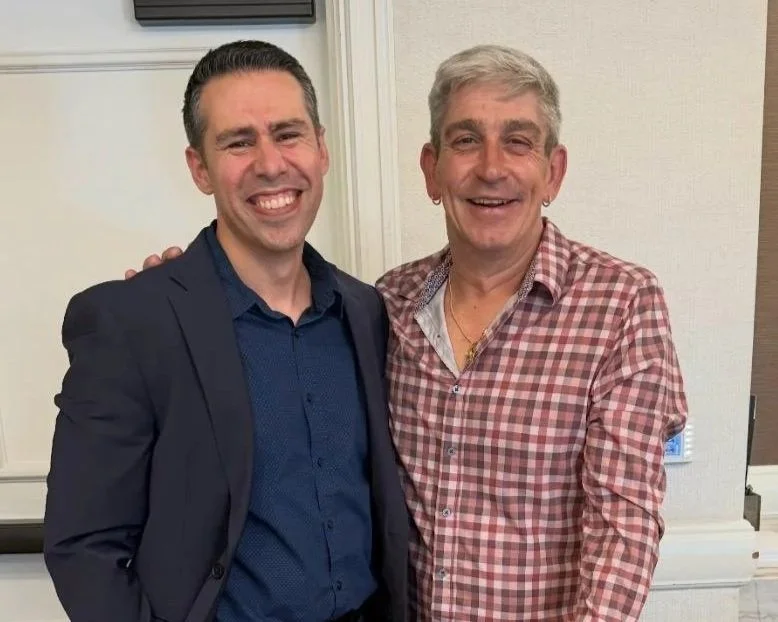
That happened for FounderFuego® Chief Learning Officer Richard Lopez when he had the opportunity to join an intimate conversation with poet Richard Blanco at Avance Global.
The connections started adding up quickly. Both are Cuban-American. Both were shaped by Miami. Both went to Florida International University. Blanco earned his bachelor's degree in civil engineering and later returned to FIU for his MFA in creative writing. Richard Lopez earned both his bachelor's degree and MBA there.
Different generations, different careers, different stories, but some very familiar roots.
So when the conversation turned to identity, belonging, home, and the experience of growing up Cuban-American, Richard wasn't simply listening to an acclaimed poet talk about his work. He was hearing someone put language around experiences that felt surprisingly close to his own.
That's what made the moment at Avance Global so meaningful, and it's a reminder we think founders need sometimes, too: You don't have to choose between where you come from and where you're going.
What does “home” actually mean?
Richard Blanco was born in Madrid to Cuban exile parents and came to the United States as an infant. His family eventually settled in Miami, where he grew up in a working-class Cuban-American household. Questions about culture, identity, place, and belonging would eventually become some of the defining themes of his writing.
Blanco has described the idea of “home” as an obsession running throughout his work. For him, home isn't simply geography. It encompasses family, community, culture, identity, and that complicated process of figuring out where you belong when your story is connected to more than one place.
If you grew up Cuban-American in Miami, there's a good chance some of that feels familiar.
But first cafecito
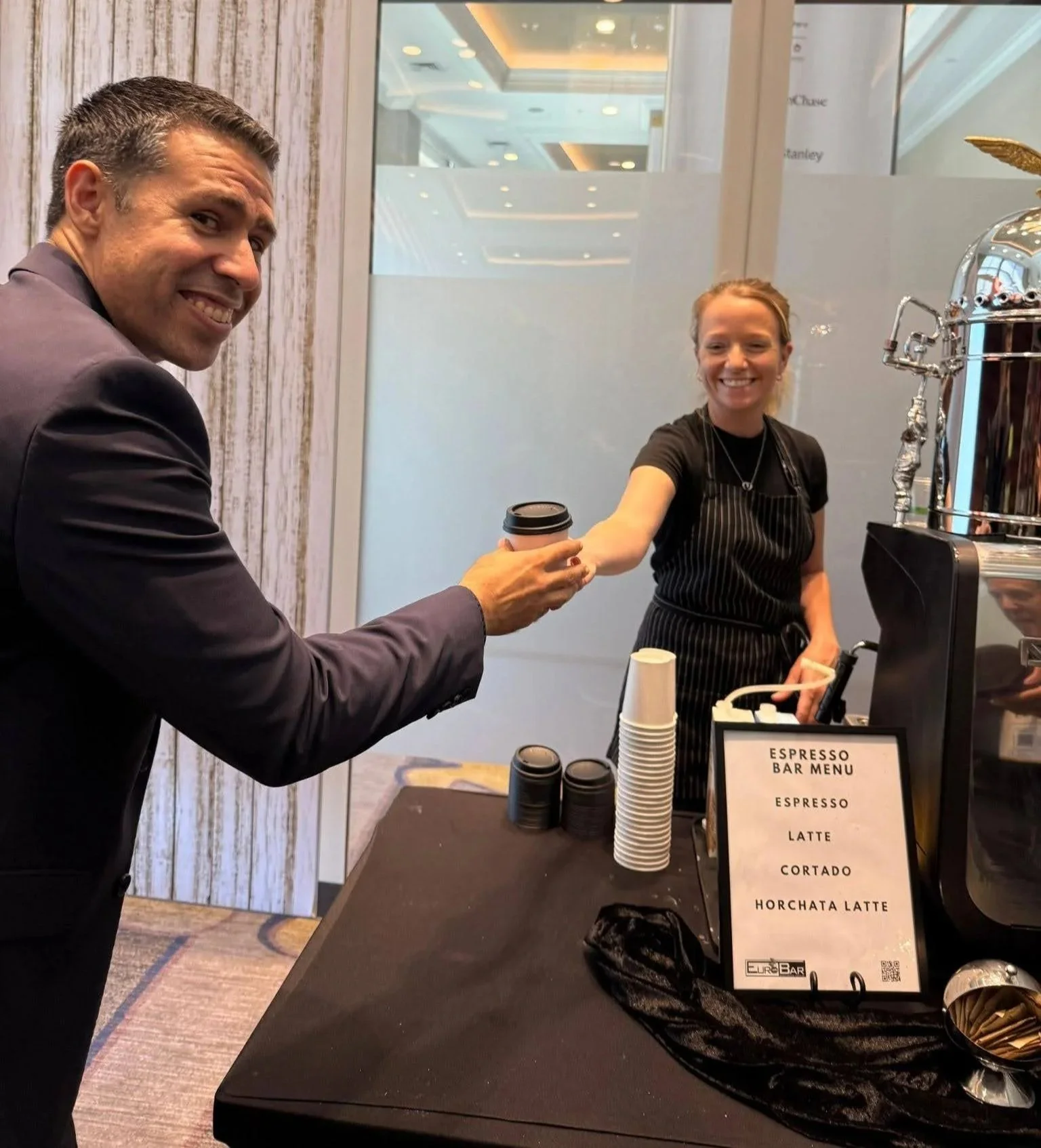
Miami has a way of making Cuban culture feel completely normal. Cafecito doesn't require an explanation. Neither does moving between Spanish and English in the same conversation, hearing relatives talk about Cuba as though they left yesterday, or growing up with the understanding that you're completely American while also carrying a family history that began somewhere else.
Sometimes you don't even realize how particular that experience is until you leave Miami.
For Richard Lopez, that made listening to Blanco at Avance Global different. There was recognition in the story.
And then there's FIU
The connection went another layer deeper because both Richards are FIU alumni.
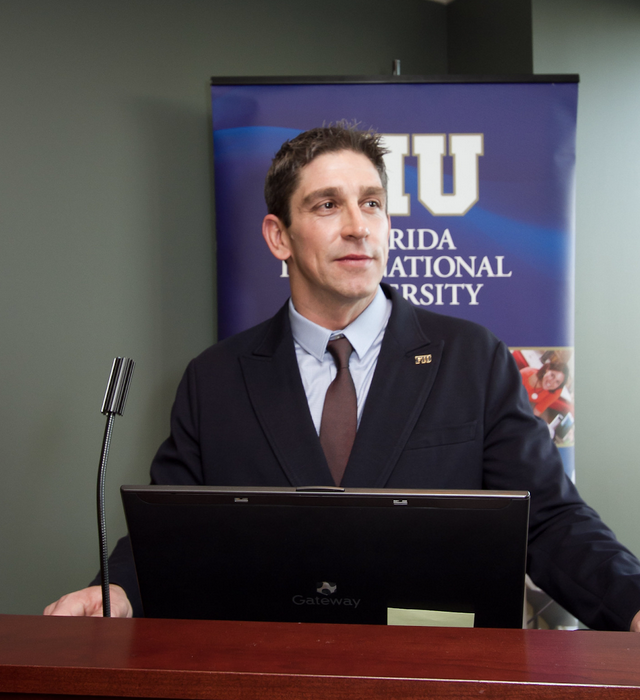
Florida International University played a significant role in Blanco's journey. He earned his civil engineering degree there in 1991, began his career as an engineer, and eventually returned to FIU when the creative side of himself that he had been exploring pulled him toward writing.
He earned his MFA in creative writing from FIU in 1997, and his first collection of poetry, City of a Hundred Fires, explored his search for cultural identity as a Cuban-American.
Blanco has written about FIU as a place where both sides of himself developed: the person fascinated by numbers, equations, roads, and bridges, and the person drawn toward images, words, poetry, and questions of belonging.
We love that part of his story because founders are constantly being encouraged to put themselves into neat little boxes. A subtle reminder to pick your lane, define your niche, and make your story easy to understand. There's value in clarity, claro. Your customers should know what you do but clarity doesn't mean you have to flatten yourself into one dimension.
Blanco could be an engineer and a poet. His analytical side didn't invalidate his creative side, and his creative work didn't erase the years he spent designing infrastructure. Sometimes the intersection is actually where the most interesting work happens.
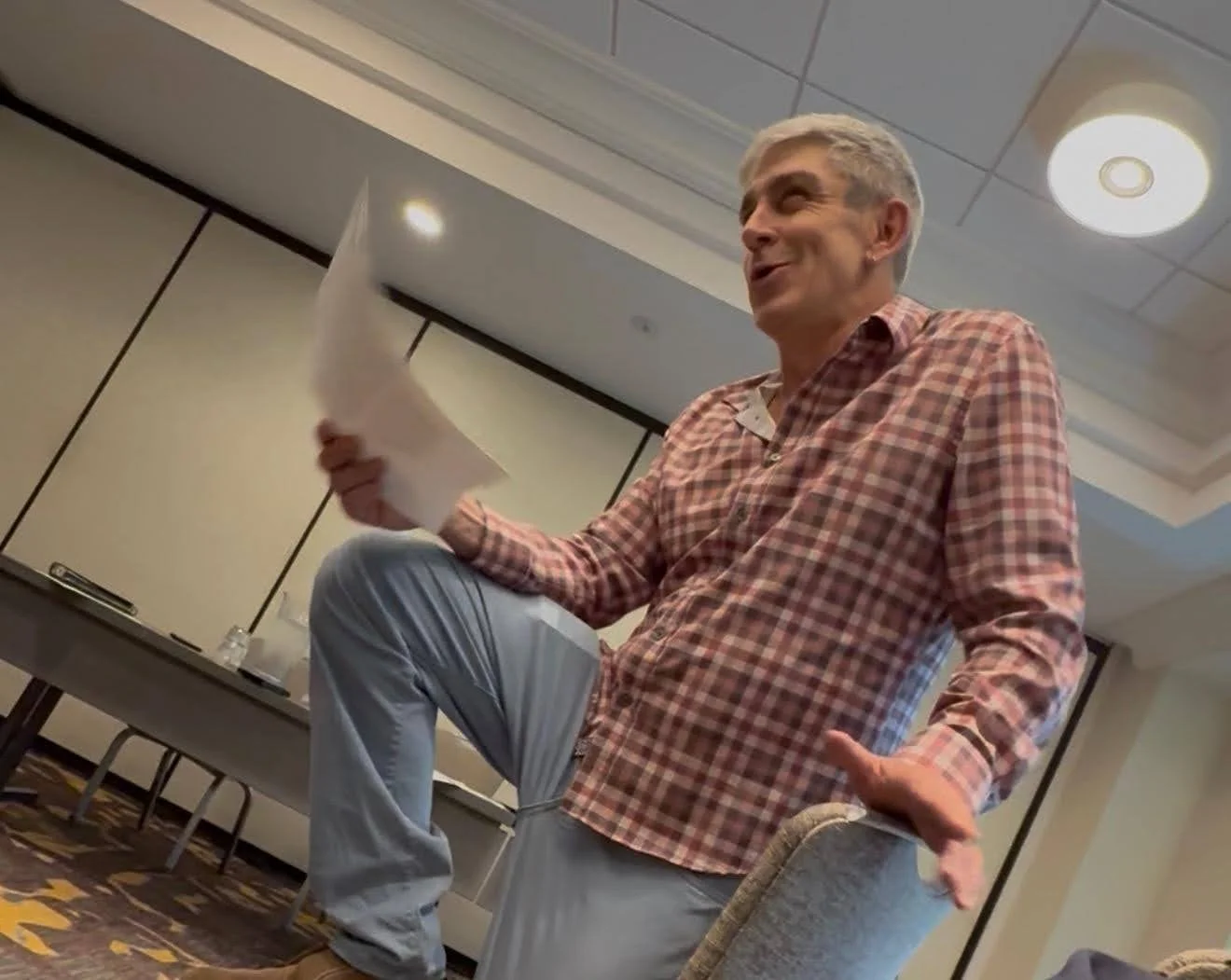
You can belong to more than one story
That lesson extends beyond careers. Blanco's work has repeatedly explored what it means to navigate Cuban and American identities without neatly resolving one into the other.
That's something a lot of first-generation founders understand. You may have grown up with one definition of success at home and encountered a completely different one professionally. For some entrepreneurship wasn't the path your family imagined for you and many times you're building something your parents don't completely understand. It’s also possible that you've entered rooms where very few people share your background.
As your business grows, you may even feel pressure to become a more “professional” version of yourself that looks increasingly different from the person who started the company but growth doesn't require choosing one part of your identity and abandoning another.
You can honor where your family came from while building something they never imagined while also appreciating the sacrifices that created opportunities for you; and without limiting yourself to the opportunities previous generations understood.
You can be deeply connected to your cultura and still build for a much larger market.
You can carry Miami with you even when you don't live there anymore.
Those things aren't contradictions. They're layers.
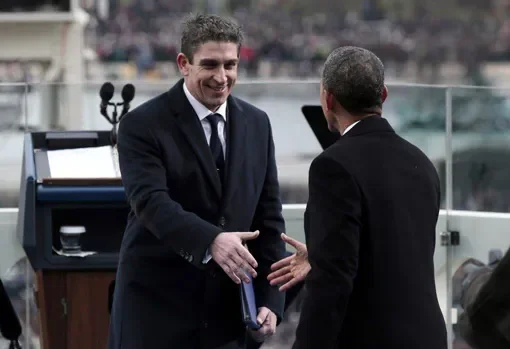
From FIU to one of the country's biggest stages
Blanco's journey eventually took him somewhere few poets ever go. In 2013, he became the fifth presidential inaugural poet in U.S. history, reading his original poem “One Today” at President Barack Obama's second inauguration. At the time, he became the youngest person, first Latino, and first immigrant to serve in that role.
What we find particularly interesting isn't simply the size of the stage. It's what he brought with him when he got there. The Cuban-American kid from Miami was still part of the poet standing before the country. So was the engineer. So was the FIU student who had been trying to understand his creative voice and cultural identity.
Blanco has reflected that when he received the call asking him to serve as inaugural poet, he thought about his parents, their sacrifices and his upbringing.
The bigger room didn't require erasing the smaller ones that came before it. It was built on them.
That's part of what made Richard Lopez's opportunity to spend time with Blanco at Avance Global so meaningful. There was the professional admiration, of course. You're sitting with someone who has stood on one of the country's most visible stages and built an extraordinary body of work.
But then there was everything underneath the résumé. Miami. Cuba. FIU. Family. Identity. The strange experience of belonging deeply to more than one place. Those are conversations that feel different when the person across from you understands some of the context without requiring a 20-minute explanation first.
And it's another reason we're such believers in intentionally getting into rooms where those conversations can happen. Conferences can become transactional really quickly. You collect the badge, listen to the keynote, take the photo, make a LinkedIn connection, and move on to the next session but some of the greatest value happens when you slow down long enough to actually talk to somebody.
Ask the extra question. Share something about your own story. Listen for what's underneath the accomplishments on the bio; you may discover that someone whose career looks completely different from yours has wrestled with some of the same questions you have.
That's not networking for the sake of building a bigger contact list; that's comunidad.
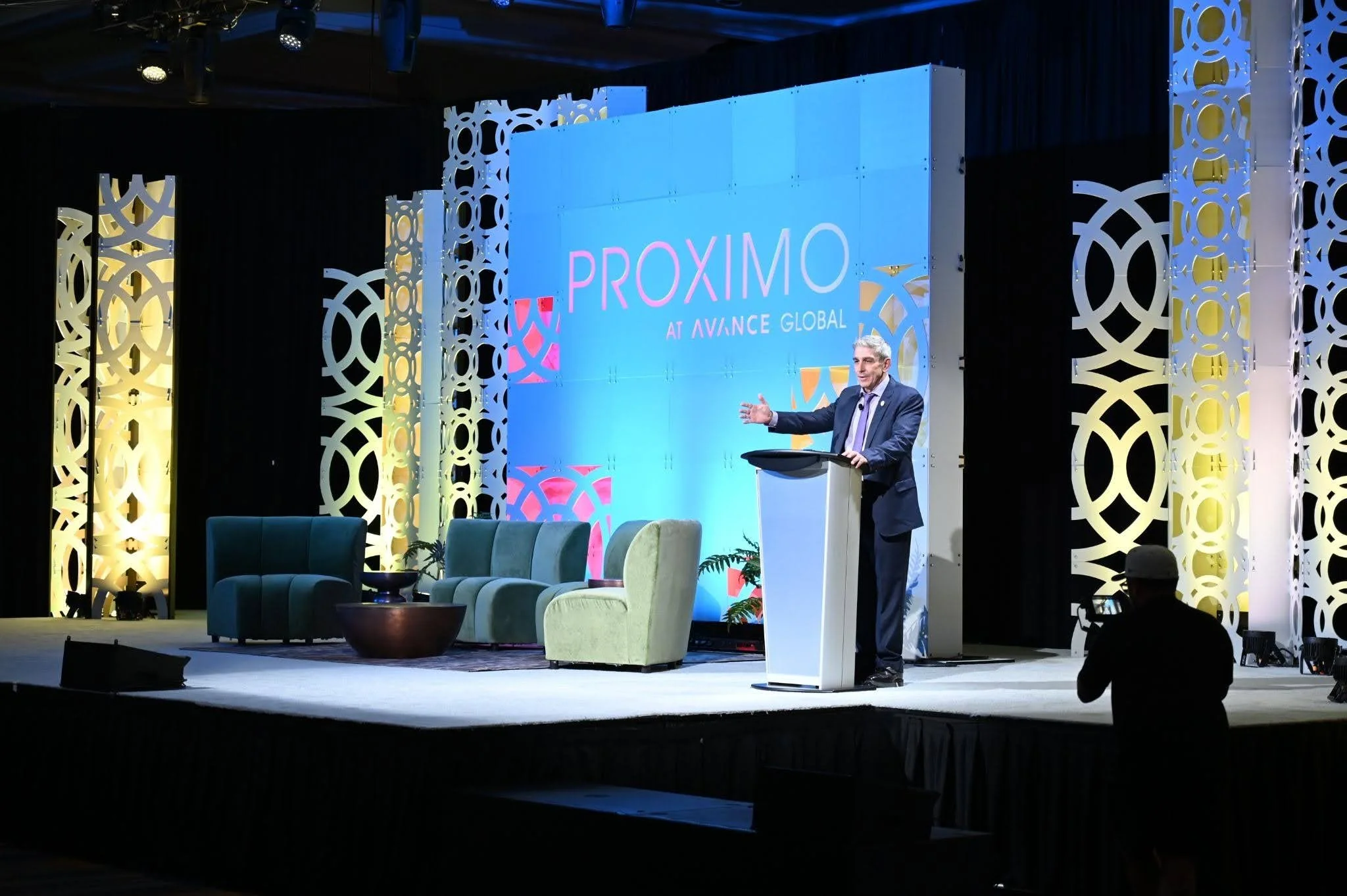
You don't leave your roots behind as you grow
There's another reason this matters for entrepreneurs. Growth changes your rooms.
You may start sitting across from larger customers, corporate partners, funders, investors, government leaders, or executives who operate very differently from the people you knew when you started.
And sometimes founders unconsciously decide that entering those rooms requires becoming more like everyone already inside them. We don't believe that.
Your background may be one of the reasons you see an opportunity differently. Your experience may help you understand a customer other companies overlook. Your community may have taught you something about trust, resilience, relationships, or resourcefulness that doesn't show up on a business-school slide.
And the combination of seemingly unrelated parts of your story may eventually become one of your greatest advantages.
Blanco didn't have to stop being an engineer to become a poet. He didn't have to stop being Cuban-American to explore what it meant to be American. He didn't have to leave Miami or FIU out of his story for that story to become nationally relevant.
Those intersections helped make the work his. The same can be true for what you're building.
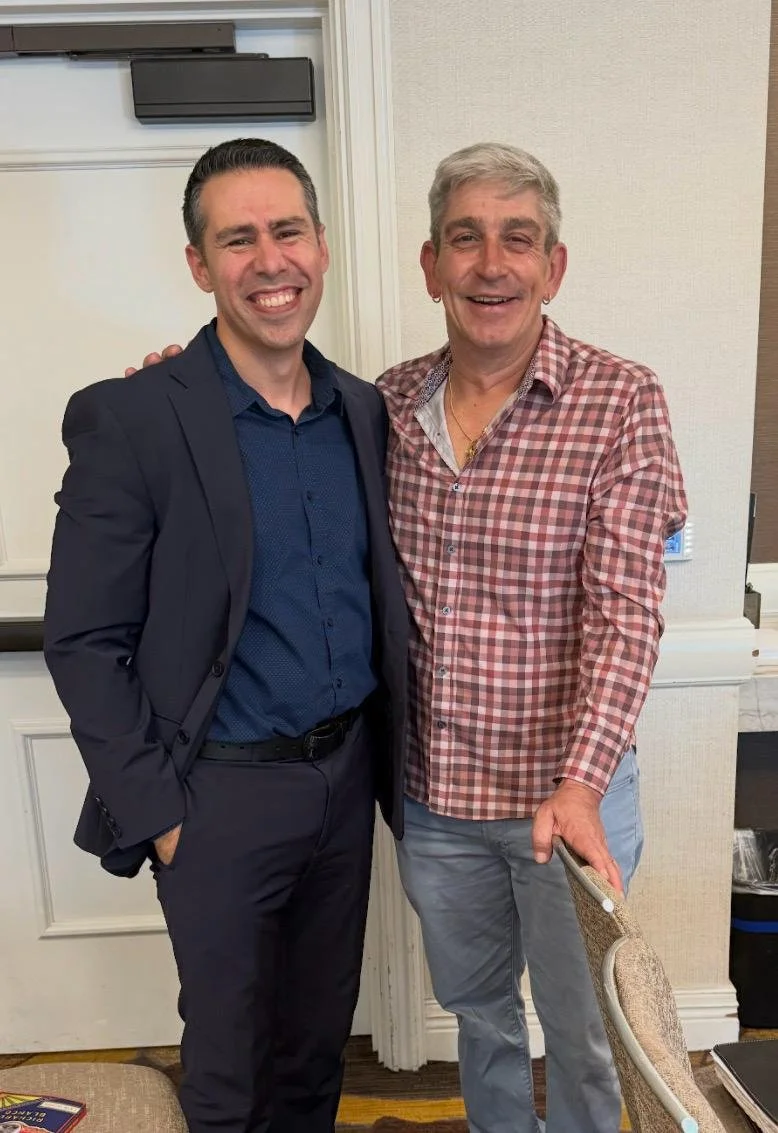
Sometimes comunidad is finding someone who understands
As Hispanic Heritage Month comes to a close, that's one of the biggest reminders we're carrying with us from Avance Global. There is no single way to be Latino. There is no single Cuban-American experience. No one path is meant for you because of where you came from.
But there is something powerful about finding people whose stories overlap with yours just enough to make you feel understood.
For Richard Lopez, sitting in an intimate conversation with another Cuban-American Richard from Miami who also walked the halls of FIU was one of those moments.
Sometimes the people we meet don't give us a completely new idea. They give us better language for something we've felt for years.
You can honor where you came from while building somewhere new. You can carry your family's history without letting it dictate your future. You can enter bigger rooms without becoming a smaller version of yourself.
When you finally get into those rooms, don't focus so much on collecting contacts that you miss the chance to actually connect.
Have the conversation. Ask about the story. Share a little of yours.
Because sometimes you'll discover that the person sitting across from you understands exactly why Miami, FIU, being Cuban-American, or whatever place shaped your story still matters.
That's not just a connection.
Eso es comunidad.
Speaking of comunidad, ready to find yours?
Get in the room. 🔥
Save your spot for Café Caliente.
Con fuego,