The $3.7 Trillion U.S. Latino Economy: Key Insights from Velocity 2026
The Next Decade of Business Is Being Rewritten. Are We Building for It?
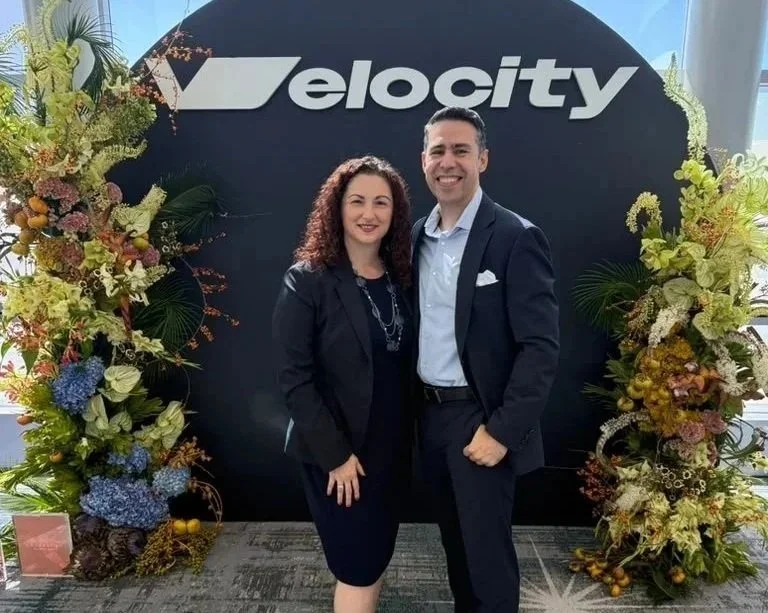
Richard and I recently attended Velocity in Los Angeles, and I came home with a notebook full of statistics, new connections, ideas, and some pretty big questions about the future of business, including our own strategy at FounderFuego®.
We've spent years helping entrepreneurs and nonprofit leaders access funding, unlock revenue opportunities, build partnerships, and grow their organizations. But being surrounded by leaders from business, finance, entertainment, and entrepreneurship reminded me that the conversations we need to be having are getting bigger.
The economic landscape is shifting. An unprecedented transfer of business ownership is approaching. Consumer behavior is evolving, and cultural influence is increasingly shaping how brands connect with the communities they serve.
What does all of this mean for entrepreneurs and nonprofit leaders trying to build something that lasts?
Here are some of the conversations and lessons from Velocity that have stayed with me.
The $3.7 Trillion Latino Economy Is Reshaping American Business
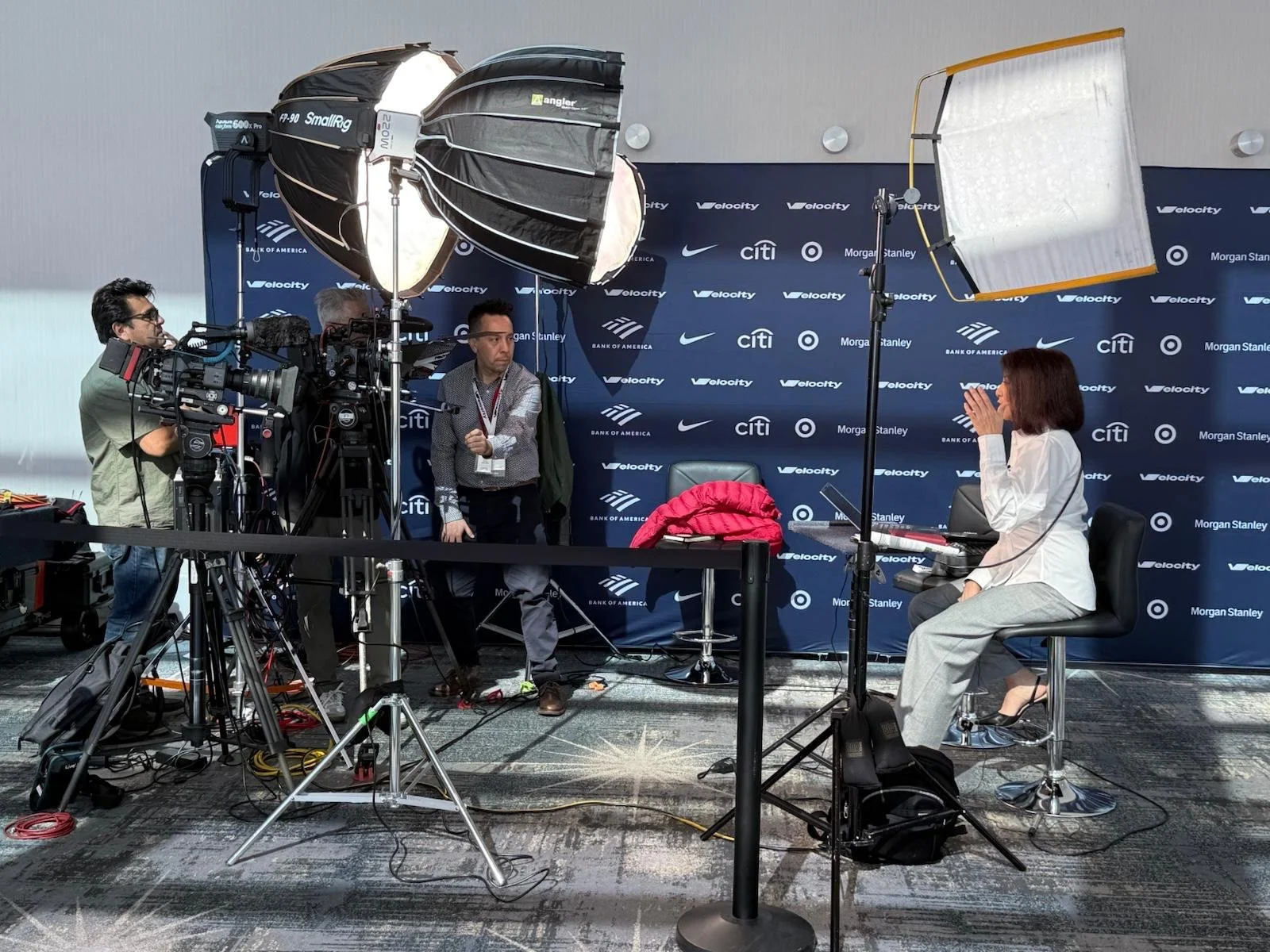
One of the most powerful conversations at Velocity focused on the extraordinary growth of the U.S. Latino economy.
At approximately $3.7 trillion in annual economic output, the U.S. Latino economy would rank among the five largest economies in the world if measured independently.
Consider some of the other figures discussed during the conference:
Economic growth: U.S. Latinos have contributed approximately 28% of real U.S. GDP growth over the past decade.
Workforce expansion: Latino workers have accounted for approximately 110% of net U.S. workforce growth during the period discussed, offsetting declines among other demographic groups.
Entrepreneurship: Latino entrepreneurs have contributed approximately 52% of net new employer business growth.
Homeownership: Latino households have driven more than half of net new homeownership growth.
Income growth: Latino real incomes have been growing at more than twice the rate of non-Latino incomes, according to figures presented at the conference.
These statistics are more than impressive numbers. They represent millions of people building businesses, creating jobs, purchasing homes, growing their purchasing power, and shaping the direction of the American economy.
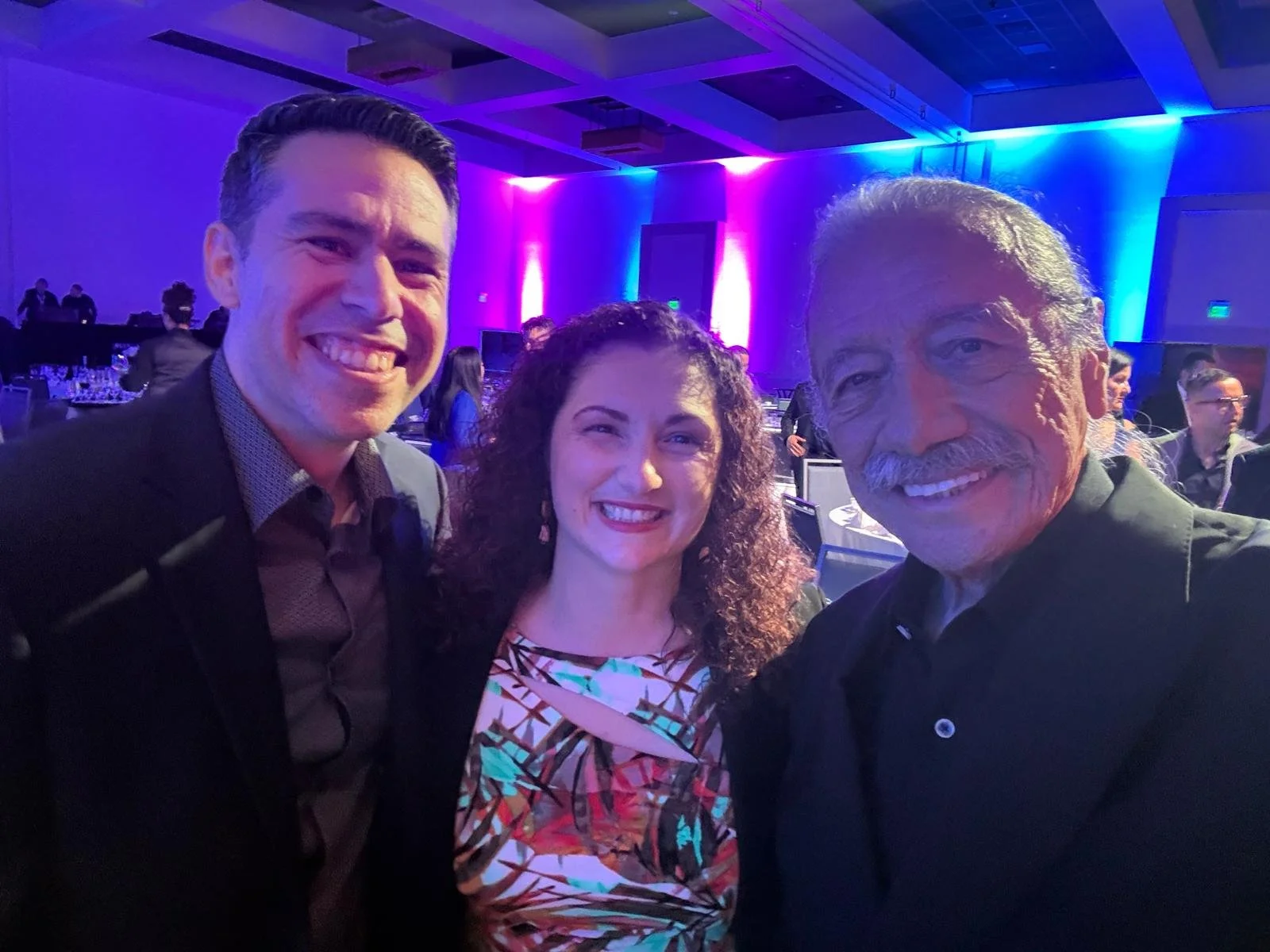
As a Latina entrepreneur and economic developer, these conversations were especially meaningful to me. And getting to celebrate the legacy of Edward James Olmos, whose work has helped shape Latino representation in American entertainment, made the experience even more special.
But here's what I want every entrepreneur and nonprofit leader to consider, regardless of background or industry.
When the demographics, purchasing behaviors, and economic influence of your customers are changing, is your organization evolving alongside them?
There are opportunities to rethink the markets we serve, the partnerships we pursue, how we communicate our value, and where we invest our resources.
Growth isn't just about capturing more of today's market. It's about understanding where tomorrow's market is headed.
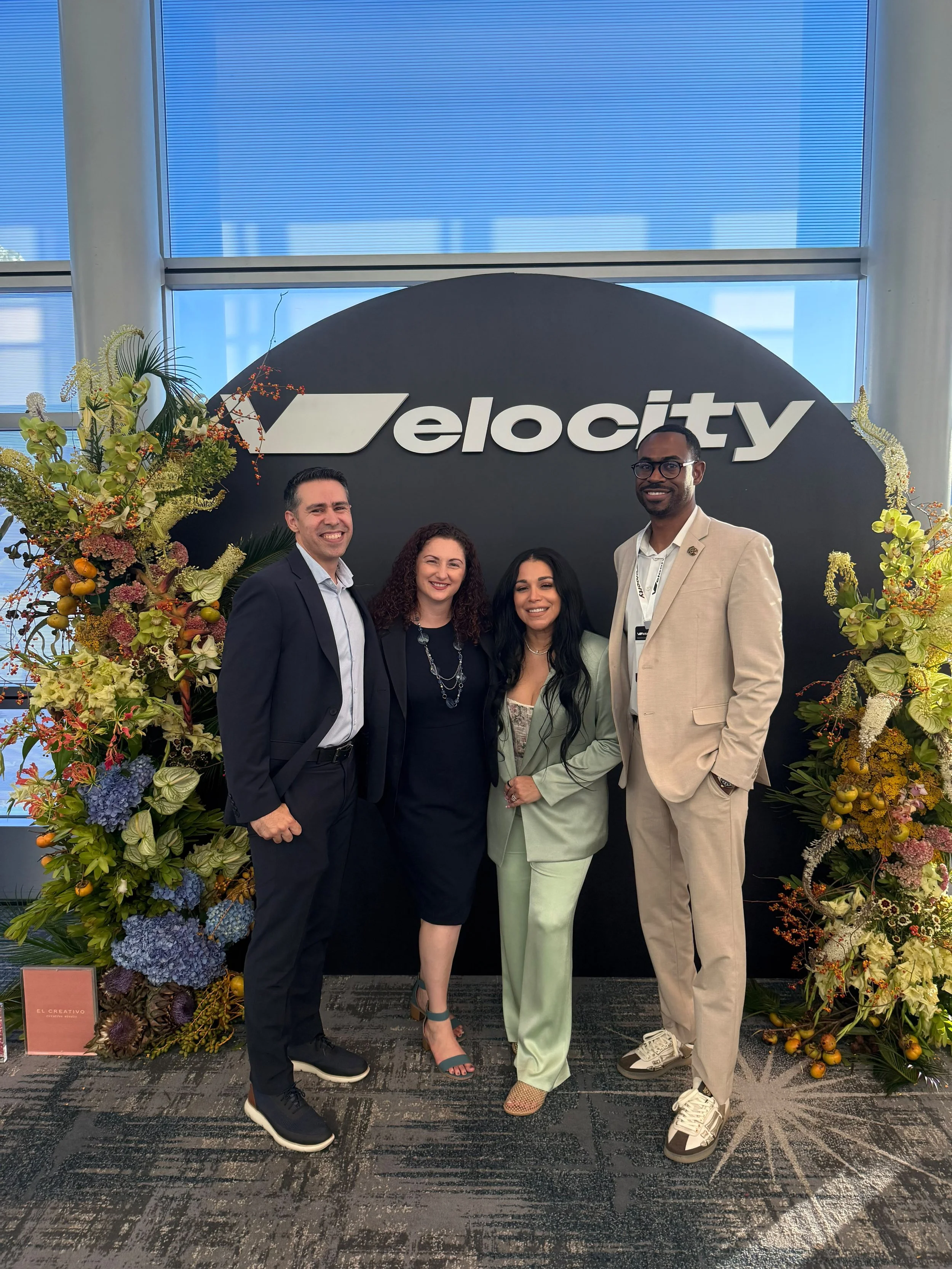
The $10 Trillion Business Ownership Shift: What Makes a Business Worth Buying?
Another conversation that had Richard and me taking notes came from Erika Báez-Grimes, founder of Silver Tsunami Group and co-founder of BPH Group.
We explored the enormous wave of business ownership transitions expected over the next decade.
Estimates discussed during the conference suggest that approximately $10 trillion in business value could change hands over the next 10 years, as business owners retire, sell, or transfer their companies.
Many of these businesses have been operating for decades. They have customers, employees, established revenue, and deep relationships in their communities. Yet a significant number lack a clear succession plan.
For aspiring entrepreneurs, this creates an opportunity to acquire and grow an existing business rather than starting entirely from scratch.
For current business owners, it raises a different question.
If someone wanted to acquire or invest in your business tomorrow, what would they actually be buying?
Would they be acquiring a company with reliable systems, strong financial performance, recurring customers, and a capable team?
Or would they essentially be buying a job that only you know how to perform?
The session explored eight drivers of company value, including financial performance, differentiation, customer loyalty, growth potential, recurring revenue, and the ability to operate independently of the owner.
That last point resonated deeply with us.
At FounderFuego®, we see businesses generating substantial revenue while still relying on their founders to approve every decision, manage every important relationship, and resolve every operational challenge.
Revenue alone doesn't necessarily make a business sustainable.
This is one of the reasons we developed Built Beyond You™ and our Founder Dependency Score™ diagnostic. We want leaders to understand where their organizations rely too heavily on them and identify practical ways to build capacity without sacrificing growth.
And here's the important part: You don't have to be planning an exit to benefit from building a business that could operate without you.
Maybe you want to expand into a new market, spend more time with your family, pursue another venture, or simply take a vacation without answering emails every morning.
For nonprofit leaders, the same thinking applies to executive succession, diversified funding, institutional knowledge, and the ability to sustain programs beyond any one leader.
The stronger your organizational foundation, the more choices you have.
Recurring Revenue Is About More Than Predictable Income
One of the ideas that kept coming up throughout Velocity was the power of recurring revenue.
Subscriptions, memberships, service agreements, and other recurring revenue models can create more predictable cash flow while strengthening long-term customer relationships.
But what interested me most wasn't simply the financial model.
It was the idea that an initial purchase or subscription can become the beginning of a much deeper relationship.
A customer who starts with one service may eventually need additional products, expertise, support, or solutions. When a business understands that customer's evolving needs, it can create opportunities to deliver more value over time.
Of course, recurring revenue only works when customers continue to see value in what they're receiving. A subscription alone doesn't guarantee retention.
This conversation got me thinking about the entrepreneurs we serve and our own evolution at FounderFuego®.
Are there services that could be packaged differently? Could a one-time customer become a long-term relationship? Could organizations create more consistent value without constantly chasing their next sale?
For nonprofit leaders, similar opportunities may exist through earned-revenue programs, educational offerings, ongoing corporate partnerships, or mission-aligned services.
The question isn't whether every organization needs a subscription. It's whether your revenue model supports the kind of sustainable growth you're trying to achieve.
And that is worth examining before simply investing more money in marketing or customer acquisition.
The Power of Cultural Legacy, Partnerships, and Building What Comes Next
Some of the most memorable moments at Velocity happened when conversations about business intersected with entertainment, culture, and legacy.
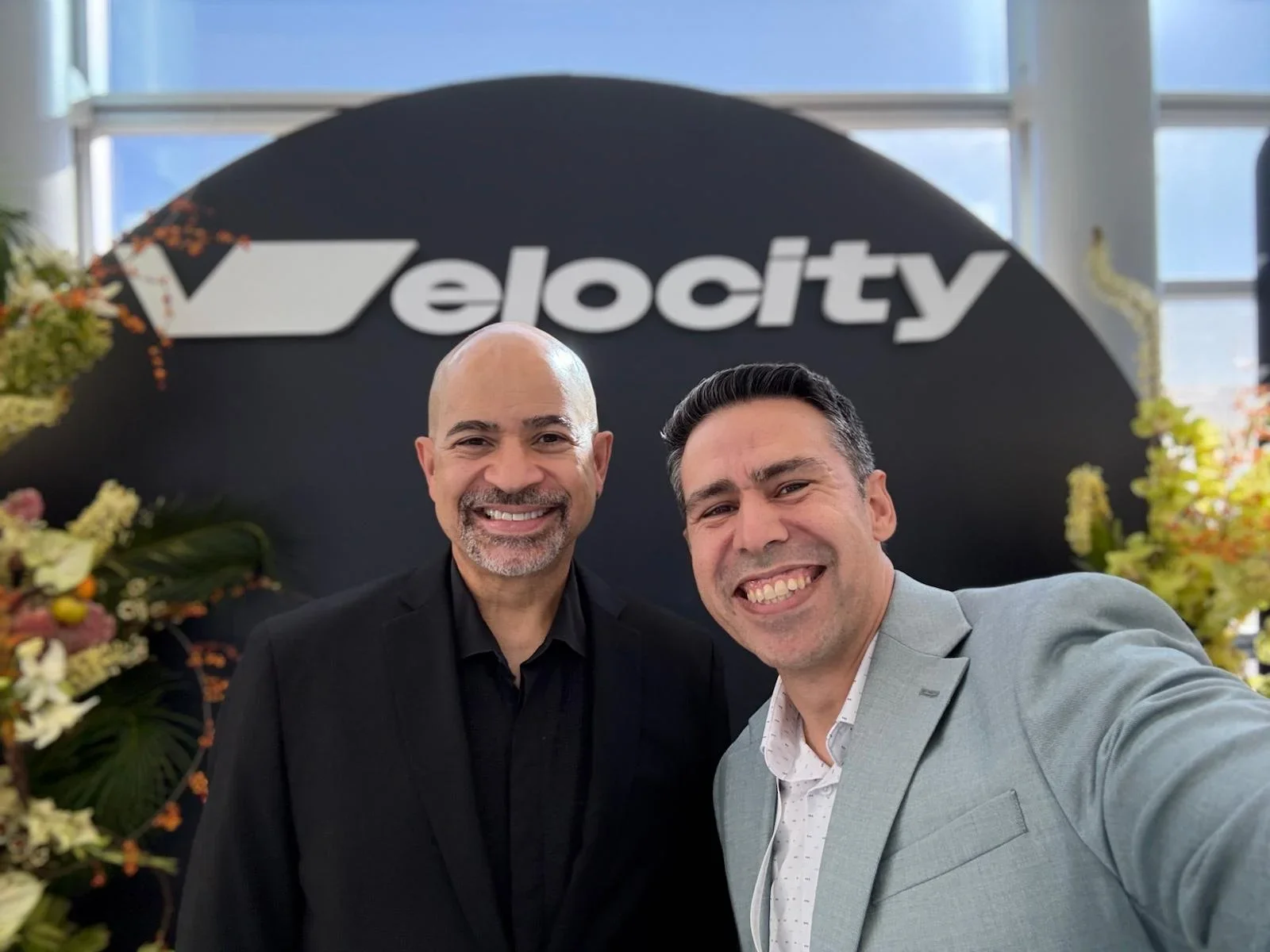
We had an opportunity to connect with Darryl M. Bell, known for his role as Ron Johnson on A Different World, and reflect on the remarkable business legacy of his father, Travers J. Bell Jr., who co-founded the first Black-owned member firm of the New York Stock Exchange.
That history alone is an extraordinary reminder of what it means to create opportunities where they didn't previously exist.
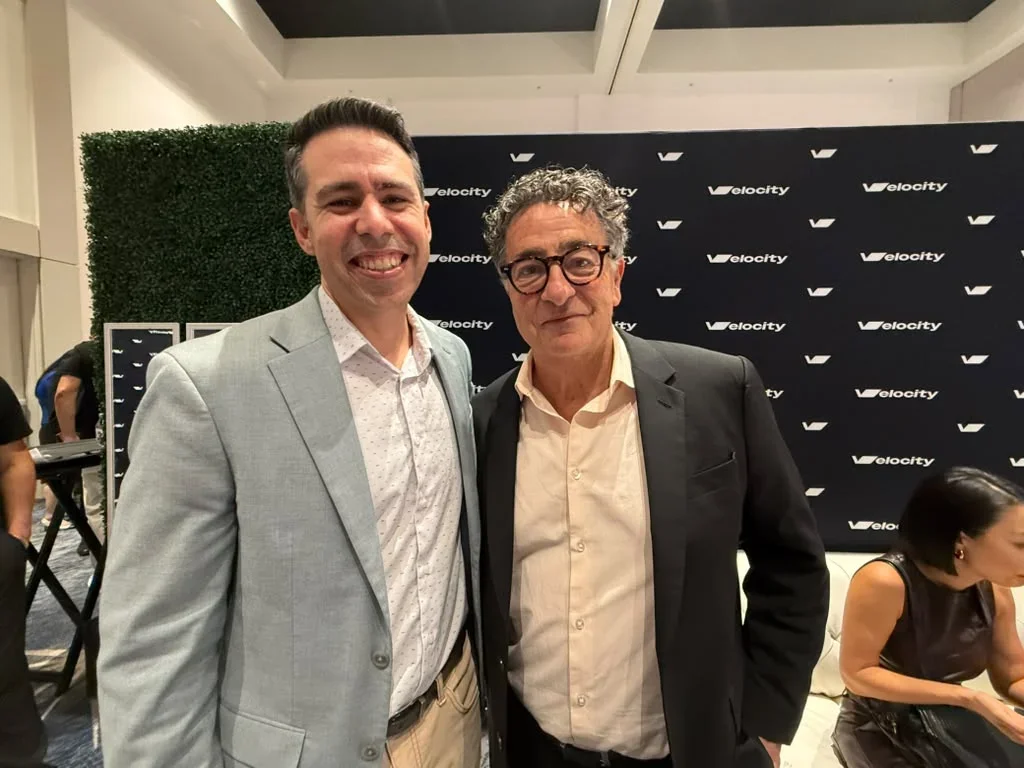
We also heard about the cultural influence of A Different World and how groundbreaking programming helped create space for future productions, including The Brothers García, created by Jeff Valdez.
What resonated with me was the relationship between opportunity and infrastructure.
A groundbreaking idea can open doors. But bringing that idea to life, reaching an audience, and sustaining its impact requires much more than creativity.
It requires relationships, capital, distribution, operational capacity, and people willing to build together.
Entertainment may look different from the industries many of us operate in, but the underlying business principles are remarkably similar.
A strong partnership is more than exchanging business cards or appearing together at an event. It's about understanding how each organization contributes value and creating something meaningful together.
Seeing leaders continue supporting one another's work across generations was a reminder that the relationships we build today can create opportunities far beyond the original project or partnership.
That's something Richard and I are bringing into our own strategic conversations about how FounderFuego® can continue expanding opportunities for our comunidad.
Our Cultura Is a Business Asset, Not Something to Leave Behind
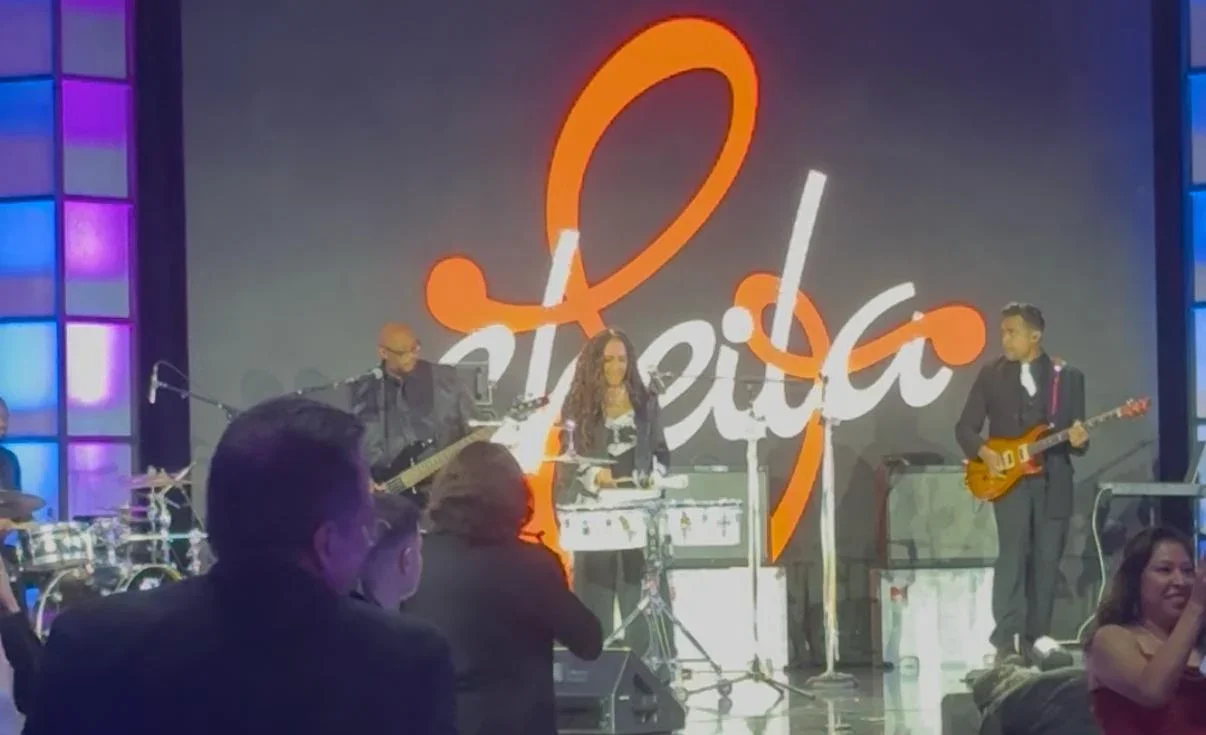
And of course, I can't talk about Velocity without mentioning Sheila E.
Seeing her perform on her white Prince tribute percussion setup was an incredible moment. The energy, artistry, and cultural influence were something else.
Throughout the conference, I also appreciated conversations about authenticity, language, and how our lived experiences shape the brands and businesses we build.
As someone who naturally moves between English and Spanish, I loved hearing people embrace Spanglish and the cultural experiences that influence how we communicate, connect, and lead.
For years, many entrepreneurs felt pressure to separate their cultural identities from their professional identities.
But our culturas, perspectives, languages, and lived experiences can help us understand customers more deeply, build authentic relationships, and identify opportunities others might overlook.
That doesn't mean culture should become a marketing gimmick. It means recognizing the value of who we are and the communities we understand.
We don't have to leave our identities behind to build successful businesses. They can be part of what makes our organizations distinctive and valuable.
The Question Every Business and Nonprofit Leader Should Be Asking
After three days of conversations about economic growth, acquisitions, revenue models, partnerships, and cultural influence, one question brought everything together for me:
If someone offered to invest in your organization tomorrow, would you have the infrastructure to put that investment to work effectively?
We spend so much time talking about accessing capital, winning contracts, securing partnerships, and attracting customers.
Those things matter. They're a big part of the work we do at FounderFuego®.
But opportunity without organizational capacity can create a whole new set of challenges.
What happens when your next major contract doubles your workload? When your biggest customer needs more than your current team can deliver? When a partnership opens the door to an entirely new market?
Or when life happens and you need to step away?
If every important decision still requires your involvement, growth can become another source of pressure rather than the freedom or impact you were working toward.
That's why we believe organizational sustainability deserves just as much attention as revenue growth.
What Would You Build Differently If You Had 10 More Years?
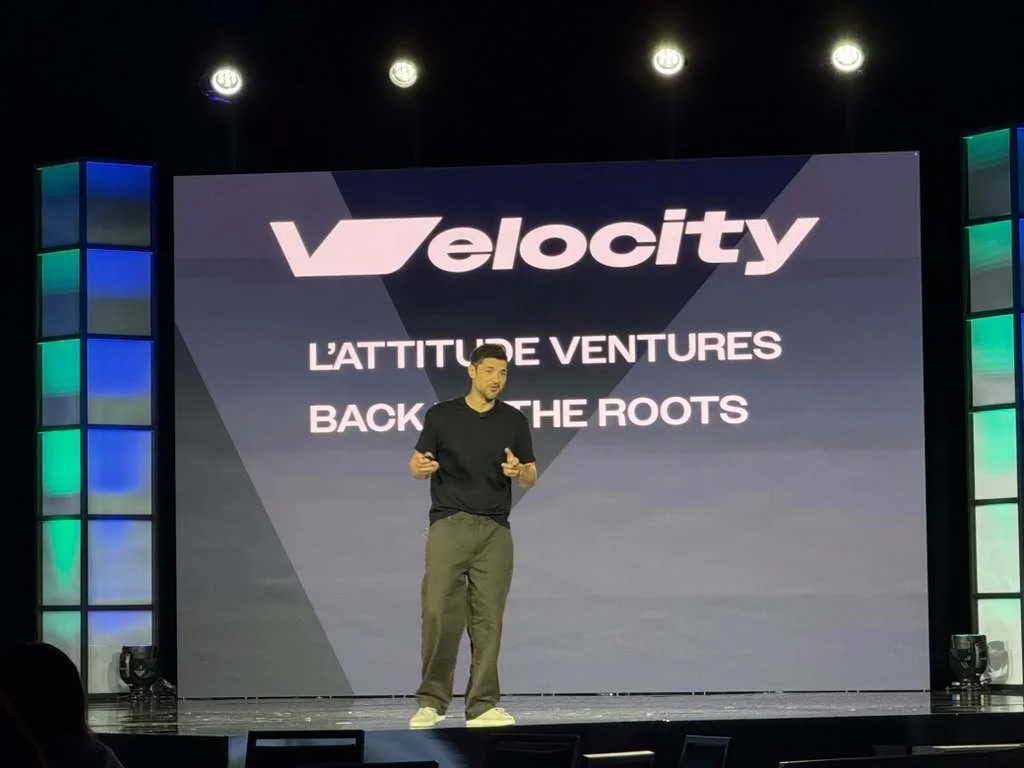
One of the questions raised during Velocity was, "If you had 10 more years, what would you do?"
I've been thinking about a slightly different version.
If you knew your business or nonprofit would still be here 10 years from now, what would you start building differently today to make it more valuable, sustainable, and ready for opportunity?
Maybe you would develop a recurring revenue model, invest in leadership development, improve your financial systems, document your processes, or create a succession plan.
Maybe you'd reconsider which markets you're pursuing or which partnerships could accelerate your growth.
Or maybe you'd finally address the reality that too much of your organization depends on you.
Richard and I left Velocity with new relationships, potential partnership opportunities, and a lot to consider about how FounderFuego® can evolve to better serve the founders and leaders in our comunidad.
And that's one of the greatest benefits of getting into rooms that challenge your thinking. You return home looking at your own organization through a different lens.
The economic opportunities ahead are significant. But our ability to benefit from them will depend on the organizations, relationships, and systems we're building today.
Ready to Build an Organization That Can Grow Beyond You?
If these conversations have you thinking about the future of your own business or nonprofit, we'd love to help you turn that reflection into action.
In our Built Beyond You™ workshop, we help founders and organizational leaders assess their Founder Dependency Score™, identify their biggest operational bottlenecks, and develop a practical action plan for creating more capacity.
Because building for the next decade starts with understanding what needs to change today.
And I'd love to hear from you: What's one thing you would change about your business or nonprofit today to make it stronger over the next decade?
Con más velocidad,